Paver Sealing in Tarpon Springs Florida
Sealing is one of the most important things you can do to protect your paver investment — but it’s also one of the most misunderstood. Many homeowners in Tarpon Springs Florida aren’t sure whether their pavers actually need sealing, how often it should be done, or what type of sealer is right for their surface.
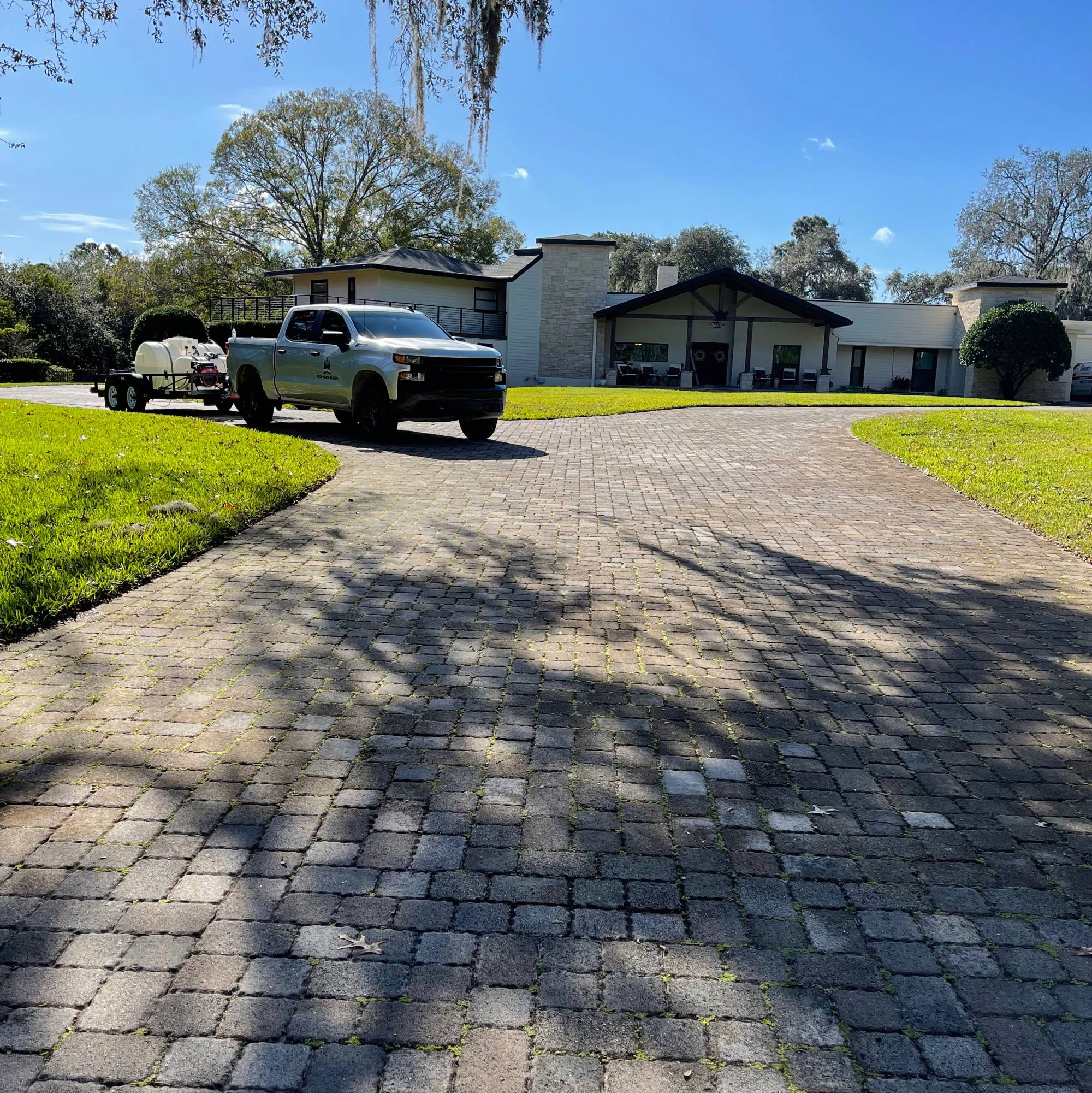
Softwash Knights provides professional paver sealing in Tarpon Springs Florida for driveways, patios, pool decks, and walkways. We help homeowners understand their options and apply the right sealer for their pavers and their goals.
What Paver Sealing Does — And What It Doesn’t
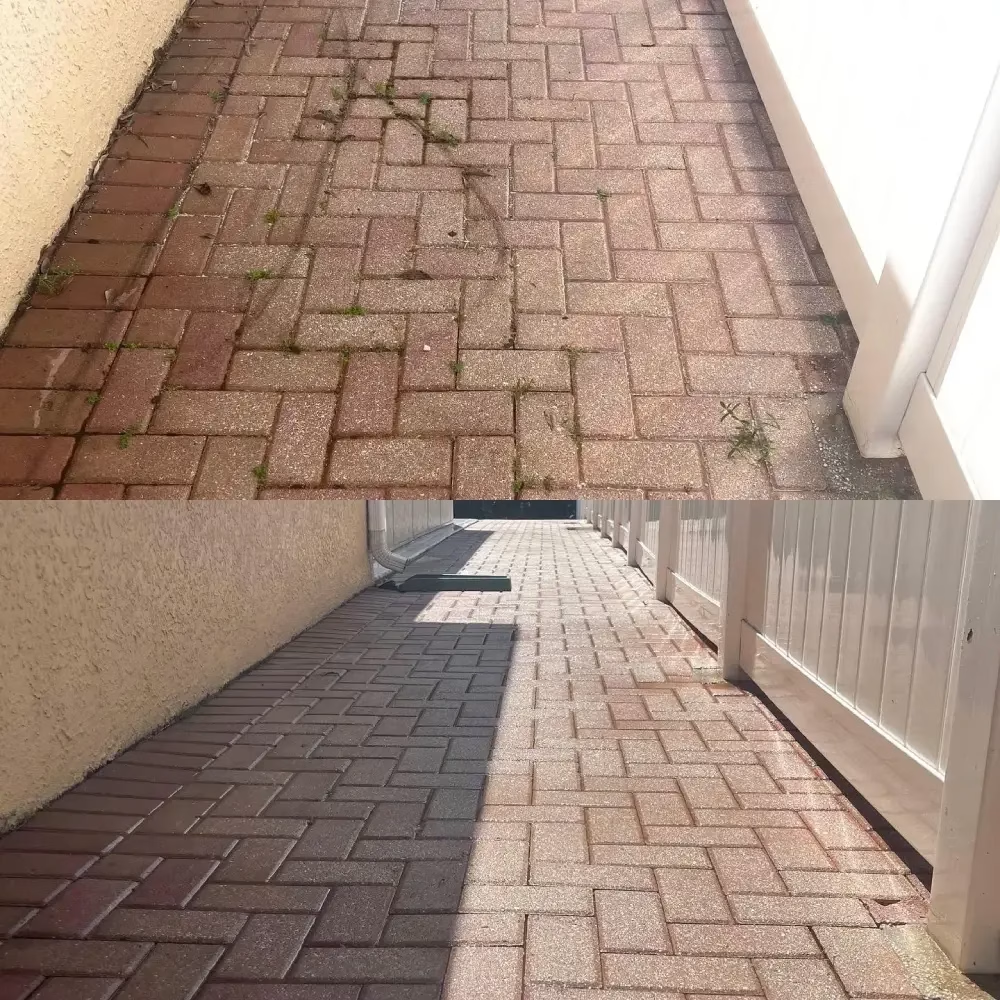
Paver sealing is a protective treatment. The sealer penetrates or coats the paver surface to:
-
Repel water — Sealer makes the surface hydrophobic, so water beads up and runs off instead of soaking in
-
Block stains — Oil, rust, dirt, and organic stains have difficulty penetrating a sealed surface
-
Slow UV fading — Sealer contains UV inhibitors that help protect color from sun damage
-
Lock in joint sand — Sealer helps hold polymeric sand in place, extending the life of your joints
-
Simplify cleaning — A sealed surface releases dirt and organic growth more easily
-
Enhance appearance — Depending on the sealer, pavers may look richer, darker, or “wet”
Sealing does not:
-
Restore faded color (if the pigment is gone, sealer can’t bring it back)
-
Fix structural problems like shifting or settling
-
Fill empty joints (that requires sanding)
-
Repair cracked or broken pavers
If your pavers are structurally sound but need protection, sealing is appropriate. If joints are depleted, you need sanding and sealing. If color is faded or there are structural issues, restoration may be the better option.
Why Paver Sealing Matters in Tarpon Springs Florida
Florida’s climate is brutal on unsealed pavers. Understanding what your pavers face helps explain why sealing is more than just cosmetic.
UV exposure breaks down pavers. Florida receives some of the highest UV levels in the country. Over time, UV radiation degrades the pigments in concrete pavers, causing them to fade. It also breaks down the surface of the paver itself, making it more porous and prone to staining. Sealer with UV inhibitors slows this process.
Rain and humidity promote organic growth. With 50+ inches of annual rainfall and year-round humidity, algae, mold, and mildew thrive on unsealed paver surfaces — especially in shaded areas. These organisms don’t just look unsightly; they create slippery surfaces and can degrade the paver material over time. Sealer makes it harder for growth to take hold.
Irrigation water leaves deposits. If your pavers are near sprinklers, mineral deposits from irrigation water can build up on the surface. Sealer creates a barrier that helps prevent these deposits from bonding to the pavers.
Thermal cycling stresses the surface. Florida’s daily temperature swings cause pavers to expand and contract. Sealer provides a flexible protective layer that moves with the pavers, reducing stress on the surface.
Film-Forming vs. Penetrating Sealers: What’s the Difference?
This is the most important decision you’ll make when sealing your pavers. The two main types of sealer have very different characteristics.
Film-Forming Sealers
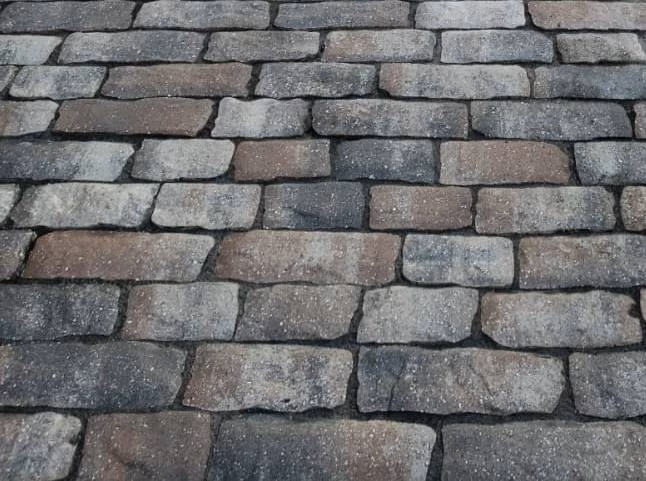
These sealers create a protective coating on top of the paver surface. They sit on the surface rather than absorbing into it.
Best for: Homeowners who want a “wet look” that deepens color, or who need maximum stain protection.
Characteristics:
-
Enhanced color and gloss (some are matte, some are glossy)
-
Excellent stain resistance
-
Can make surfaces slightly slippery when wet
-
May show wear patterns in high-traffic areas
-
Generally need more frequent reapplication
How Often Should You Seal Pavers in Tarpon Springs Florida?
National sources often cite a 3-to-5-year resealing schedule. In Florida, that timeline is optimistic. Most paver sealers in this climate need reapplication every 2 to 3 years.
Here’s why Florida is harder on sealer:
-
UV intensity: Florida’s year-round high UV levels break down sealer approximately twice as fast as in northern states
-
Heavy rainfall: Frequent rain physically wears the sealer film and stresses joints
-
Humidity: Persistent moisture supports biological growth that can degrade sealer
-
Thermal cycling: Daily expansion and contraction stress the sealer
Rather than resealing on a fixed schedule, use this simple water test to determine if your sealer is still working:
The Water Test: Pour a cup of water onto your pavers. If it beads up and sits on the surface, the sealer is still functioning. If it soaks in quickly, it’s time to reseal.
Other signs it’s time to reseal:
-
Colors look faded compared to when pavers were first sealed
-
Water no longer beads up
-
Algae or mildew is returning more quickly than usual
-
Joint sand is eroding
-
The surface feels rougher or more porous
The Paver Sealing Process
Professional paver sealing involves more than just spraying sealer on the surface. Here’s what the process looks like:
Step 1: Inspection
We assess your pavers for issues that could affect sealing: existing sealer condition, joint sand levels, drainage problems, and any damage. If we find issues that need to be addressed first, we’ll discuss them before proceeding.
Step 2: Cleaning
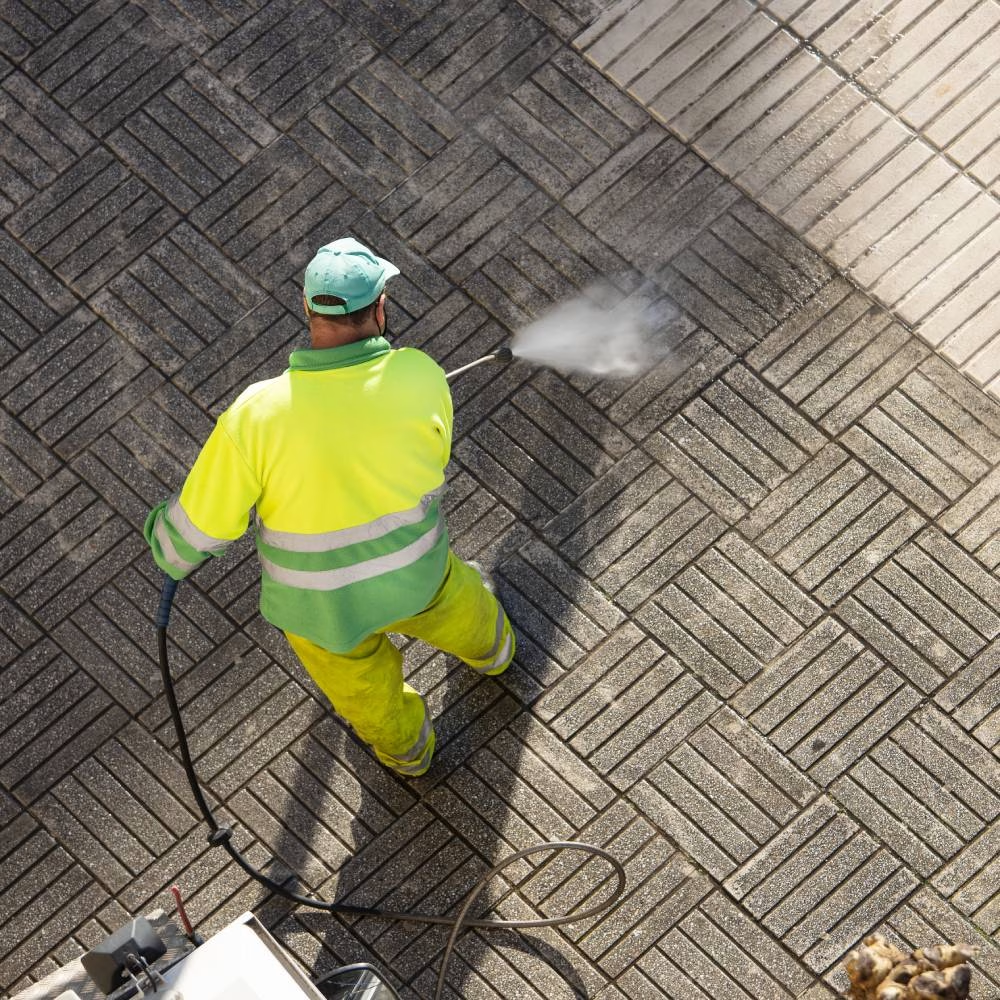
The paver surface must be clean before sealing. Dirt, algae, mildew, and old failing sealer will prevent the new sealer from bonding properly. We clean the surface using appropriate methods for your paver type.
Step 3: Drying
After cleaning, pavers need to dry completely — typically 24 to 48 hours depending on weather. Sealing over a damp surface traps moisture and can cause the sealer to turn cloudy or fail.
Step 4: Sealer Application
We apply the sealer evenly, working in sections to avoid puddling or over-application. The application method depends on the sealer type and the surface.
Step 5: Curing
The sealer needs time to cure before traffic resumes. Foot traffic is typically fine after 24 hours; vehicle traffic should wait 48 to 72 hours.
When to Schedule Paver Sealing in Tarpon Springs Florida
Timing matters for paver sealing. The sealer needs proper conditions to cure correctly.
Temperature: Most sealers require temperatures between 50°F and 85°F during application and for at least 24 hours afterward.
Rain: No rain should be in the forecast for at least 24 hours after application. Florida’s summer afternoon storms make scheduling unpredictable during rainy season.
Humidity: High humidity slows curing, so it’s best to avoid sealing during the most humid months.
In Florida, spring and fall generally offer the most reliable conditions for paver sealing. Late spring — before the heaviest summer rains — and fall — after the rainy season ends — are ideal windows.
If your pavers were recently installed, wait at least 60 days before sealing to allow for proper curing.
Residential and Commercial Paver Sealing
Softwash Knights serves both residential and commercial properties in Tarpon Springs Florida. For homeowners, we seal driveways, patios, pool decks, walkways, and front entries. For commercial properties — including HOAs, apartment complexes, and business properties — we can handle larger paver surfaces and coordinate around your schedule.
Paver sealing pairs well with other exterior services we offer, including pressure washing, paver sanding and sealing, paver restoration, pool cage cleaning, and fence cleaning. Combining services can help your entire property look consistently maintained.
Areas We Service
Softwash Knights provides paver sealing and paver restoration services throughout the Tampa Bay area, including:
- Paver Sealing in Odessa Florida
- Paver Sealing in Lutz Florida
- Paver Sealing in Land O’ Lakes Florida
- Paver Sealing in Trinity Florida
- Paver Sealing in Wesley Chapel Florida
- Paver Sealing in Palm Harbor Florida
- Paver Sealing in Tarpon Springs Florida
- Paver Sealing in Holiday Florida
- Paver Sealing in Spring Hill Florida
- Paver Sealing in North Tampa Florida
We also serve many local communities and neighborhoods, including Starkey Ranch, Bexley, Asturia, Concord Station, Suncoast Lakes, Angeline, Del Webb Bexley, Connerton, Wilderness Lake Preserve, Epperson, Mirada, Estancia, Chapel Crossings, Avalon Park, Lansbrook, Cobbs Landing, Ridgemoor, Cypress Run, Grey Oaks, Pointe Alexis, Gulfwinds, Key Vista, Champions’ Club, Fox Wood, Wyndtree, Trinity Preserve, Serengeti, Silverthorn, Woodland Waters, and Sterling Hill.
How do I know if my pavers need sealing or sanding and sealing?
If your joints are full of sand and stable, but the surface no longer repels water, sealing alone may be sufficient. If joints are depleted, weeds are growing, or the sand is washing out, you need sanding and sealing. We can assess your pavers and recommend the right service.
Can I seal my pavers myself?
While DIY sealer products are available, professional application offers several advantages: proper cleaning before sealing, correct product selection for your paver type, even application without puddling or missed spots, and proper curing guidance. Improper application can result in cloudy finish, premature failure, or damage.
What happens if it rains right after sealing?
If rain falls before the sealer has cured, it can damage the finish — causing cloudiness, uneven appearance, or incomplete protection. This is why we monitor weather closely and schedule accordingly. If rain is in the forecast, we reschedule.
How soon can I walk or drive on my pavers after sealing?
Foot traffic is typically fine after the sealer has dried to the touch, usually within 24 hours. Vehicle traffic should wait 48 to 72 hours to allow the sealer to fully cure. We’ll provide specific guidance based on the products used and weather conditions.
Does sealing make pavers slippery?
Some film-forming sealers can make pavers slippery when wet, especially smooth pavers. Penetrating sealers are generally less slippery because they don’t create a surface film. If slip resistance is a concern, let us know and we’ll recommend appropriate products.