
Paver Sanding and Sealing in North Tampa Florida
Restoring Joint Strength and Surface Protection for North Tampa Pavers
North Tampa covers a wide stretch of neighborhoods — from quiet residential streets near USF to busy commercial corridors along Fowler and Bearss. In every one of those areas, paver driveways, patios, and pool decks take a beating from Florida’s climate. The joints loosen, the sand washes away, and the protective sealer fades long before the pavers themselves show any real damage.
Softwash Knights provides professional paver sanding and sealing for North Tampa homes and businesses. This service is made for pavers that are still structurally solid but have lost their joint sand and surface protection. We deep clean the surface, refill joints with polymeric sand, and apply a professional-grade sealer to stabilize everything and restore water repellency. Many North Tampa clients also bundle pressure washing for concrete areas and fence cleaning to refresh the full property in one visit.
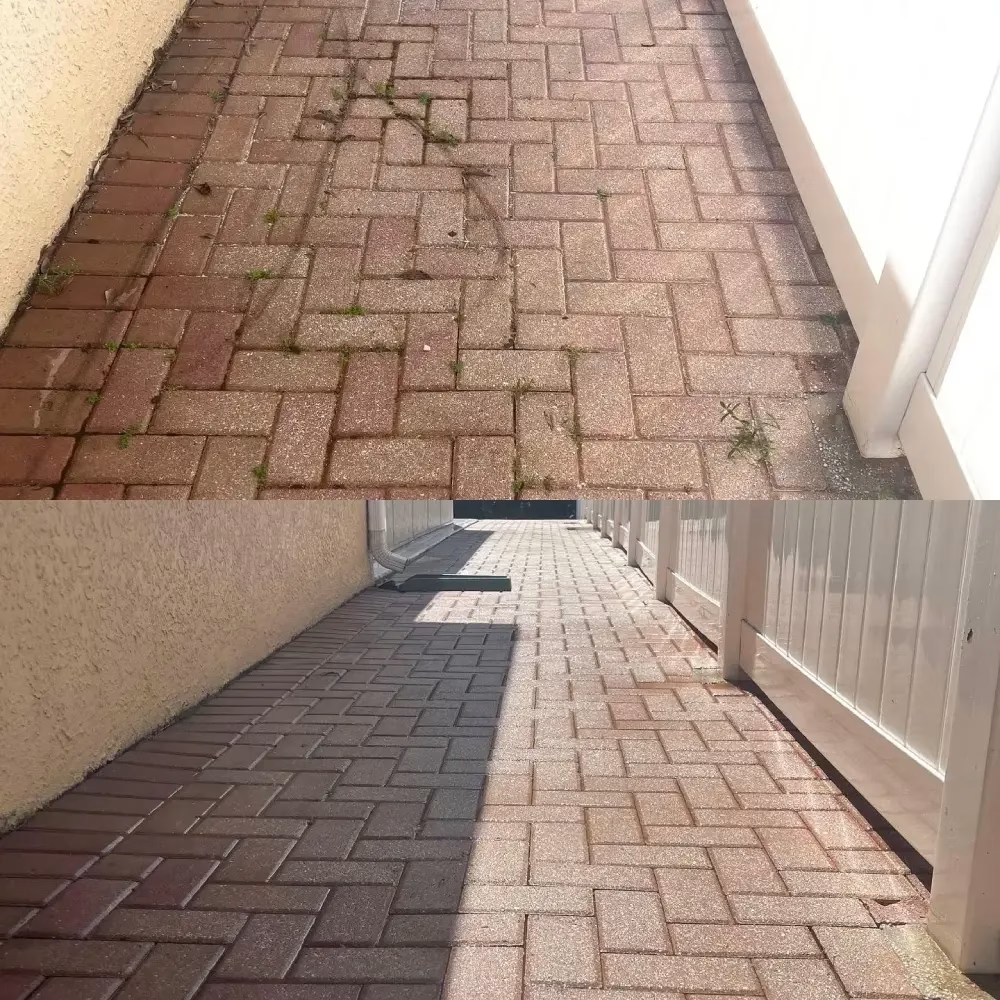
Is Sanding and Sealing Enough, or Do You Need Full Restoration?
It’s important to match the service to the actual condition of your pavers.
Paver sanding and sealing is a maintenance treatment for pavers that are still in good shape. No significant shifting, sinking, or cracking — just missing joint sand and worn-out protection. We clean, refill joints with polymeric sand, and seal to restore stability and water repellency.
Paver restoration is a deeper service for surfaces with bigger problems: significant fading, heavy staining, widespread joint failure, or minor structural damage. Restoration includes everything in sanding and sealing plus color revival, stain treatment, and sometimes paver replacement.
If you’re not sure which service fits, we’ll inspect your pavers and give you a straightforward recommendation.
Why Joint Sand Is Structural — Not Cosmetic
The sand between pavers isn’t filler. It performs four essential jobs:
-
Locks pavers in place — Prevents stones from shifting under foot or vehicle traffic
-
Spreads weight — Distributes loads across the surface, easing stress on each paver
-
Blocks weeds and insects — Full joints leave no room for weed seeds or pests
-
Channels water — Lets water drain between pavers instead of pooling on top
Ordinary sand from a home improvement store can’t survive North Tampa’s climate. Without binding agents, it washes out during heavy storms, leaving joints empty. Once joints fail, pavers start to move, weeds push through, and the surface turns uneven.
Polymeric sand is built for this environment. It combines fine sand with polymer additives that activate when misted with water. Once activated, the polymers fuse the sand into a semi-rigid joint that stands up to washout, weeds, and insects.
For any paver installation in Florida — where afternoon thunderstorms are routine — polymeric sand is the industry standard for joint stabilization.
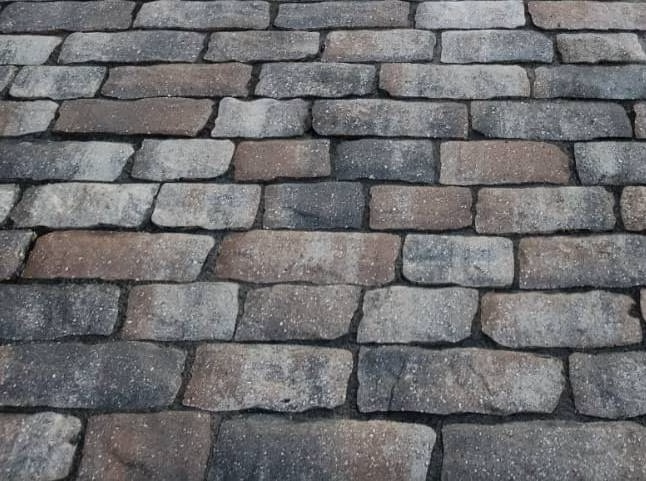
Our Step-by-Step Sanding and Sealing Process
Each stage matters for a long-lasting result.
Step 1: Inspection and Preparation
We start by evaluating your pavers for anything that could affect the outcome: loose or sunken stones, failing old sealer, drainage issues, or heavy weed growth. If we find problems, we’ll discuss them with you before proceeding.
Weeds are pulled or treated, and the surface is cleared of debris. If there’s an old failing sealer, it may need to be stripped before new sealer can be applied.
Step 2: Deep Cleaning
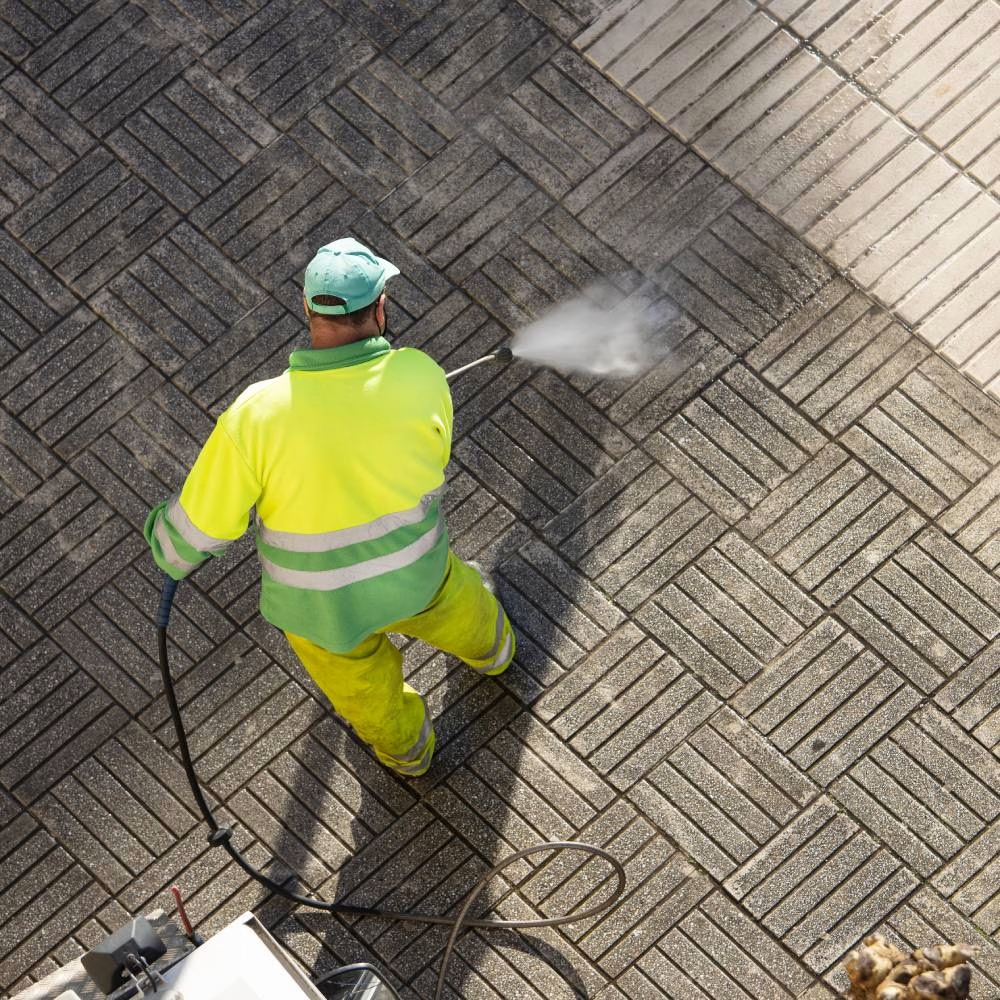
The paver surface is cleaned to remove dirt, algae, mildew, and leftover joint sand. A clean surface is critical — sealer won’t bond over dirt or organic growth, and polymeric sand won’t stick to dirty joints.
We use carefully controlled pressure and appropriate cleaning solutions to protect the pavers and surrounding landscaping. When grime has spread beyond the pavers, adding pressure washing for concrete or soft washing for the home exterior creates a consistent result.
Step 3: Complete Drying
After cleaning, pavers must dry completely before sanding and sealing — usually 24 to 48 hours depending on weather. Sealing over a damp surface traps moisture, which can turn the sealer cloudy or cause premature failure.
We schedule projects around this drying window, which is why paver sanding and sealing is often a two-day process.
Step 4: Polymeric Sand Application
Once the pavers are dry, polymeric sand is swept into the joints. We work the sand back and forth across the surface, filling joints to within about 1/8 inch of the paver surface.
After filling, all excess sand must be removed from the paver faces. Sand left on the surface will harden when activated and leave a hazy, stained appearance that’s hard to correct.
We use a leaf blower to clear excess sand while keeping joints full.
Step 5: Activating the Sand
The sand is activated by misting the surface with water. Water triggers the polymers to bind, hardening the sand into a stable joint. We use a gentle mist — never a heavy spray — to avoid displacing the sand.
Step 6: Sealer Application
After the sand cures, we apply the sealer. The sealer locks in the joint sand, shields the paver surface from stains and UV fading, deepens color, and makes future cleaning easier. You can read more on our paver sealing page.
We apply the sealer evenly, working in sections to prevent puddling or over-application. The sealer needs time to cure before foot or vehicle traffic resumes.
Choosing the Right Sealer for North Tampa Pavers
Not every sealer performs the same way. The two main categories have distinct traits:
Film-forming sealers create a protective coating on top of the paver surface. They deliver strong stain protection and often deepen color with a “wet look” finish. However, they can slightly change the texture and may show wear patterns over time.
Penetrating sealers absorb into the paver and protect from within. They preserve the original look and feel while making the surface water-repellent. They typically outlast film-forming sealers but don’t add color enhancement.
The right choice depends on your paver material, aesthetic goals, and how the surface is used. We’ll walk you through the options during your estimate.
How Long Does Paver Sealing Last in North Tampa?
In Florida’s climate, paver sealer typically lasts 2 to 3 years before resealing is needed. That’s shorter than the 3-to-5-year figure national sources cite because Florida’s conditions accelerate sealer breakdown:
-
UV intensity: Florida’s year-round high UV levels break down sealer’s UV inhibitors roughly twice as fast as northern states
-
Heavy rainfall: Over 50 inches of annual rain physically wears the sealer film and stresses joint sand
-
Humidity: Persistent moisture feeds biological growth that degrades the sealer
-
Thermal cycling: Daily temperature swings expand and contract pavers, stressing the sealer film
Rather than resealing on a fixed schedule, watch for signs the sealer is wearing down:
-
Water soaks in instead of beading up
-
Colors look duller than when first sealed
-
Joint sand is eroding or joints appear low
-
Algae or mildew is returning
If any of these show up, it’s likely time to reseal. Homeowners who stay proactive often bundle paver sealing with window cleaning and roof cleaning for one efficient visit.
Best Time to Schedule Sanding and Sealing in North Tampa
Timing matters — sealer needs the right conditions to cure correctly.
Temperature: Most sealers require temps between 50°F and 85°F during application and for at least 24 hours afterward.
Rain: No rain should be in the forecast for at least 24 hours after application. Florida’s summer storms make this unpredictable during rainy season.
Humidity: High humidity slows curing, so it’s best to avoid sealing during the most humid months when possible.
In Florida, spring and fall are usually the best seasons for paver sealing. Late spring — before the heaviest summer rains — and fall — after the rainy season ends — offer the most reliable windows.
If your pavers were recently installed, wait at least 60 days before sealing to allow proper curing and let any efflorescence work itself out.
Residential and Commercial Paver Sanding and Sealing
Softwash Knights serves both residential and commercial properties in North Tampa. For homeowners, we sand and seal driveways, patios, pool decks, walkways, and front entries. For commercial properties — including HOAs, apartment communities, and business sites — we handle larger paver areas and coordinate around your operating schedule.
Paver sanding and sealing pairs well with our other exterior services, including pressure washing, paver restoration, pool cage cleaning, and fence cleaning. Combining services keeps your entire property looking consistently maintained. Many customers also add soft washing and window cleaning to complete the exterior refresh.
Local Paver Sanding and Sealing Services
Softwash Knights provides paver sanding and sealing throughout the Tampa Bay area, including:
- Paver Sanding/Sealing in Odessa Florida
- Paver Sanding/Sealing in Lutz Florida
- Paver Sanding/Sealing in Land O’ Lakes Florida
- Paver Sanding/Sealing in Trinity Florida
- Paver Sanding/Sealing in Wesley Chapel Florida
- Paver Sanding/Sealing in Palm Harbor Florida
- Paver Sanding/Sealing in Tarpon Springs Florida
- Paver Sanding/Sealing in Holiday Florida
- Paver Sanding/Sealing in Spring Hill Florida
- Paver Sanding/Sealing in North Tampa Florida
Frequently Asked Questions About Paver Sanding and Sealing
How is polymeric sand different from regular sand?
Polymeric sand contains polymer binders that activate with water, creating a firm joint that resists washout, weeds, and insects. Regular sand stays loose and washes out easily, especially during Florida’s heavy rains. For paver installations in Florida, polymeric sand is the appropriate choice
Can I just add sand to my paver joints without sealing?
How soon can I walk or drive on my pavers after sealing?
Foot traffic is typically fine after the sealer has dried to the touch, usually within 24 hours. Vehicle traffic should wait 48 to 72 hours to allow the sealer to fully cure. We’ll provide specific guidance based on the products used and weather conditions.
What happens if it rains right after sealing?
If rain falls before the sealer has cured, it can damage the finish — causing cloudiness, uneven appearance, or incomplete protection. This is why we monitor weather closely and schedule accordingly. If rain is in the forecast, we’ll reschedule.
Do I need to clean my pavers before sanding and sealing?
Yes. Cleaning is part of the sanding and sealing process. Sealer won’t bond properly over dirt, algae, or old joint sand residue, and polymeric sand won’t adhere to dirty joints. We handle cleaning as the first step.