
Paver Restoration in North Tampa Florida
Pavers that looked rich and vibrant when they were installed don’t stay that way forever — especially in Florida. Between the intense UV exposure, heavy summer rains, and constant humidity, paver driveways, patios, and pool decks in North Tampa Florida can start looking faded, stained, and worn within just a few years.
Softwash Knights provides professional paver restoration in North Tampa Florida — a complete process that includes deep cleaning, joint re-sanding, and sealing to restore your pavers’ appearance and protect them against future damage.
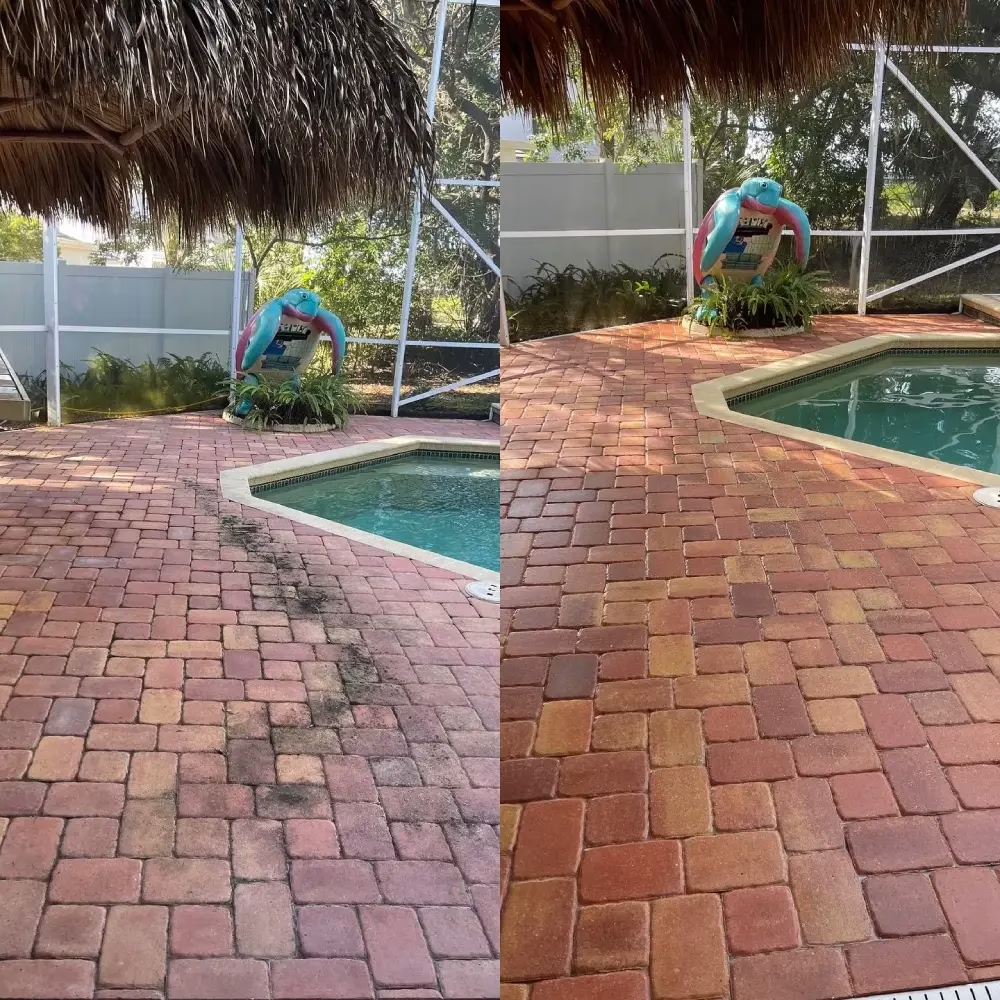
Why Pavers Deteriorate Faster in Florida
Florida’s climate creates a perfect storm of conditions that accelerate paver deterioration. Understanding what’s happening to your pavers helps explain why restoration is more than just a cleaning service.
UV degradation fades color. Most concrete pavers are colored using iron oxide pigments. Florida’s intense UV radiation — with a UV index that regularly reaches extreme levels — breaks down the chemical bonds of these pigments over time . The color doesn’t wash off; it’s photodegraded. Once the pigment is broken down, no amount of cleaning will bring it back. This is why faded pavers need more than pressure washing to restore their appearance.
Heavy rain washes out joint sand. The sand between your pavers isn’t just filler — it’s what locks the pavers together, spreads weight across the surface, and prevents weeds and insects from getting established. Florida’s 60+ inches of annual rainfall, often falling in intense afternoon downpours, gradually erodes that sand . Once joints are compromised, pavers start to shift, and weeds take root in the gaps.
Humidity promotes organic growth. Algae, mold, and mildew thrive in Florida’s humid climate, especially in shaded areas where moisture lingers. These organisms don’t just look unsightly — they create slippery surfaces and their biological acids can break down paver material over time .
Thermal expansion stresses the surface. Florida’s daily temperature swings cause pavers to expand in the heat and contract as they cool. This constant cycle puts stress on the joint sand and can lead to shifting, lippage (where one paver edge pops up), and cracking if joints aren’t properly maintained .
What Paver Restoration Actually Involves
Paver restoration is not the same as pressure washing. Pressure washing removes surface dirt and biological growth, but it doesn’t address faded color, depleted joint sand, or loss of protection. Restoration is a multi-step process that addresses all of these issues.
Step 1: Deep Cleaning
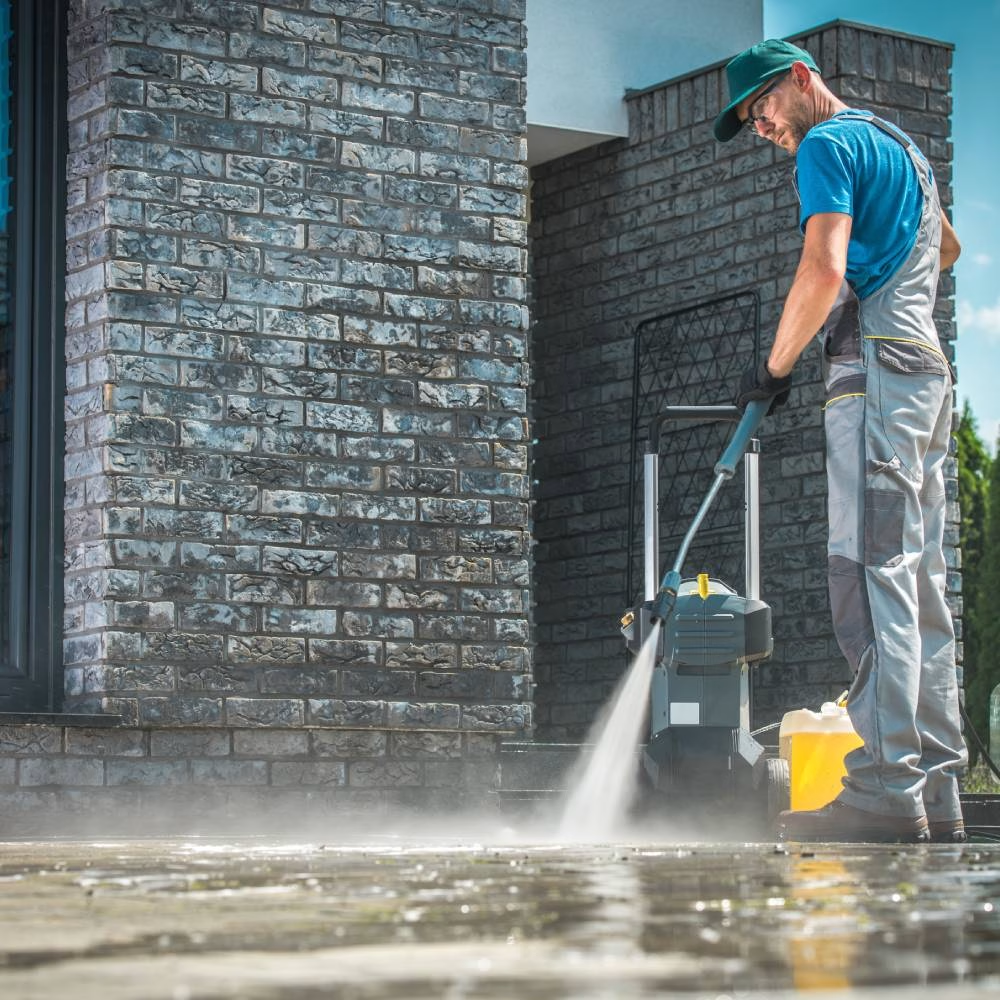
The first step is removing years of accumulated dirt, algae, mildew, and old sealer. We use controlled pressure and appropriate cleaning solutions to strip away everything that’s making your pavers look tired — without damaging the paver surface or forcing water into the joints.
For heavily soiled surfaces or pavers with failing old sealer, this step may require specialized stripping products and extra attention.
Step 2: Joint Re-Sanding
Once the pavers are clean and dry, the joints are refilled with fresh polymeric sand. Unlike regular sand, polymeric sand contains additives that bind together when activated with water, creating a semi-rigid joint that resists washout, weeds, and insect intrusion .
Proper sanding is more than just spreading sand over the surface. The sand must be swept into the joints multiple times to achieve full penetration. Excess sand is carefully removed from the paver faces before activation, because any residue left behind creates a hazy appearance that’s difficult to remove .
Step 3: Sealing
After the sand has cured, a protective sealer is applied. Quality paver sealers serve multiple purposes: they lock in the joint sand, protect against stains, slow UV fading, make future cleaning easier, and can enhance the pavers’ color .
There are two main types of sealers:
-
Film-forming sealers create a protective layer on the surface, offering excellent protection and often a color-enhancing “wet look.” They may slightly change the texture of the pavers.
-
Penetrating sealers absorb into the paver and provide protection from within, maintaining the original look and feel while making the surface water-repellent.
The right choice depends on your pavers’ material, age, condition, and your aesthetic preferences.
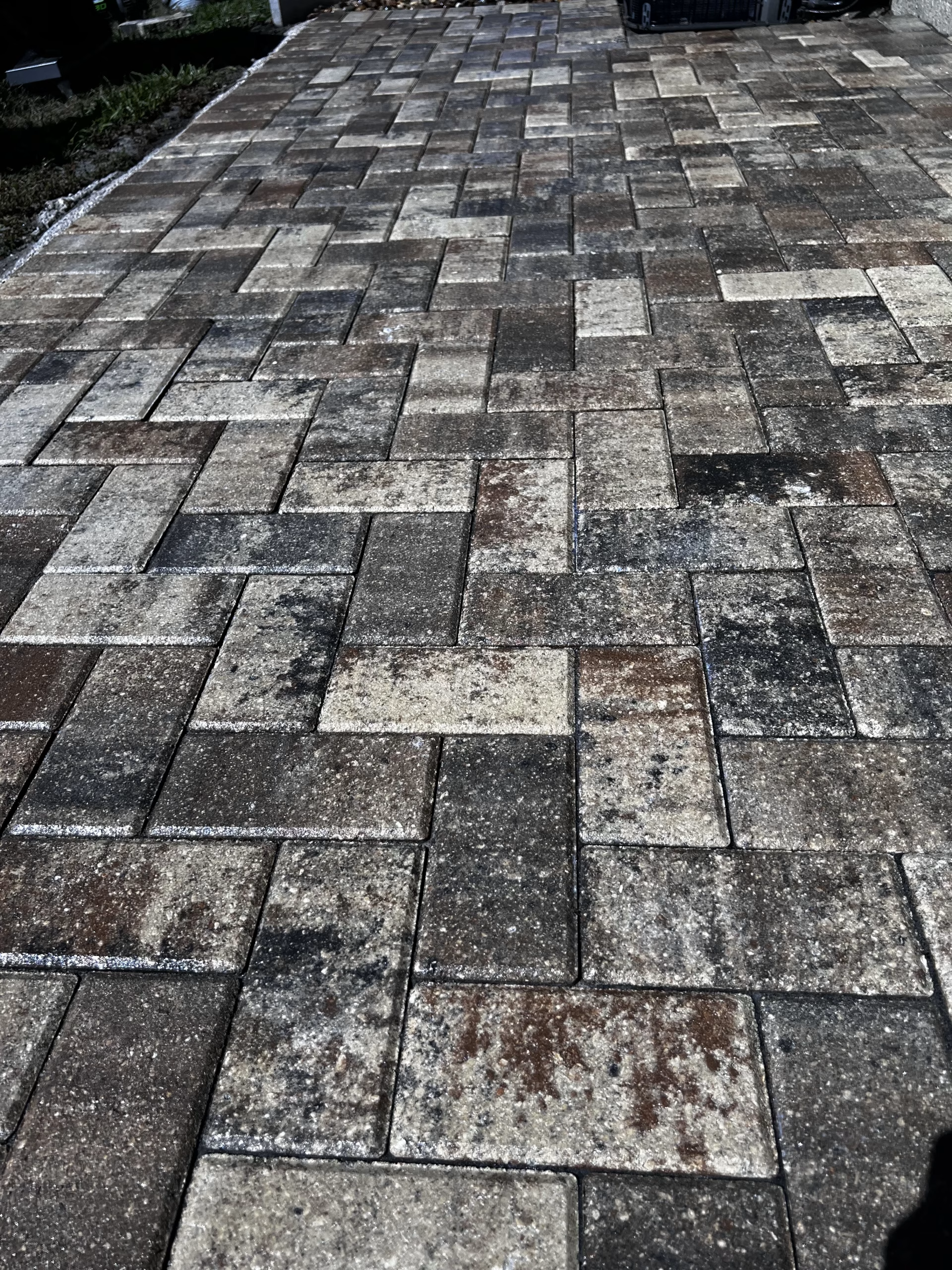
What Restoration Can — and Cannot — Fix
Restoration can dramatically improve the appearance and stability of your pavers, but it’s not a magic solution for every problem. Here’s an honest assessment:
Restoration can typically help with:
-
Faded, dull color (especially with color-enhancing sealers)
-
Green or black algae, mold, and mildew staining
-
Weeds growing in joints
-
Depleted or washed-out joint sand
-
Minor shifting or settling
-
Loss of water repellency
-
Surface staining from dirt, pollen, and irrigation minerals
Restoration may not be the right solution when:
-
Large areas of pavers are severely sunken or heaved
-
Pavers are loose across the majority of the surface
-
The base has failed structurally (crushed stone or concrete base)
-
Water consistently pools due to improper pitch or drainage
-
Pavers are cracked beyond practical repair
-
The surface has severe, permanent staining that has penetrated deeply
If your pavers have structural problems, restoration can improve their appearance temporarily, but the underlying issue will return. In these cases, we’ll be upfront about what restoration can achieve and what it cannot .
How Long Does Paver Restoration Last?
In Florida’s climate, a properly executed paver restoration typically lasts 2 to 4 years before re-sealing is needed. Several factors affect longevity:
-
Sun exposure: Full-sun areas fade and degrade faster than shaded areas
-
Traffic: Driveways with vehicle traffic wear faster than patios or walkways
-
Drainage: Poor drainage keeps moisture against the surface, accelerating wear
-
Irrigation: Sprinkler overspray can leave mineral deposits and keep pavers wet
-
Sealer type: Penetrating sealers generally last longer than film-forming acrylics
-
Maintenance: Periodic cleaning and prompt stain removal extend the life of the sealer
Rather than resealing on a fixed schedule, watch for signs that the sealer is wearing down: water soaking in instead of beading up, colors looking dull, and increased algae growth are all indicators that it may be time for reapplication .
Paver Types We Restore in North Tampa Florida
Concrete Pavers
The most common paver type in Florida, concrete pavers respond well to restoration. Deep cleaning removes biological growth and surface stains, re-sanding stabilizes the joints, and sealing restores color and protection.
Brick Pavers
Clay brick pavers hold their color better than concrete over time, but they still benefit from cleaning and sealing. Joint sand maintenance is especially important for brick installations.
Travertine and Natural Stone
Natural stone requires gentler handling. Travertine has a porous surface that can be damaged by aggressive pressure washing or harsh chemicals. We adjust our methods based on the stone type and condition.
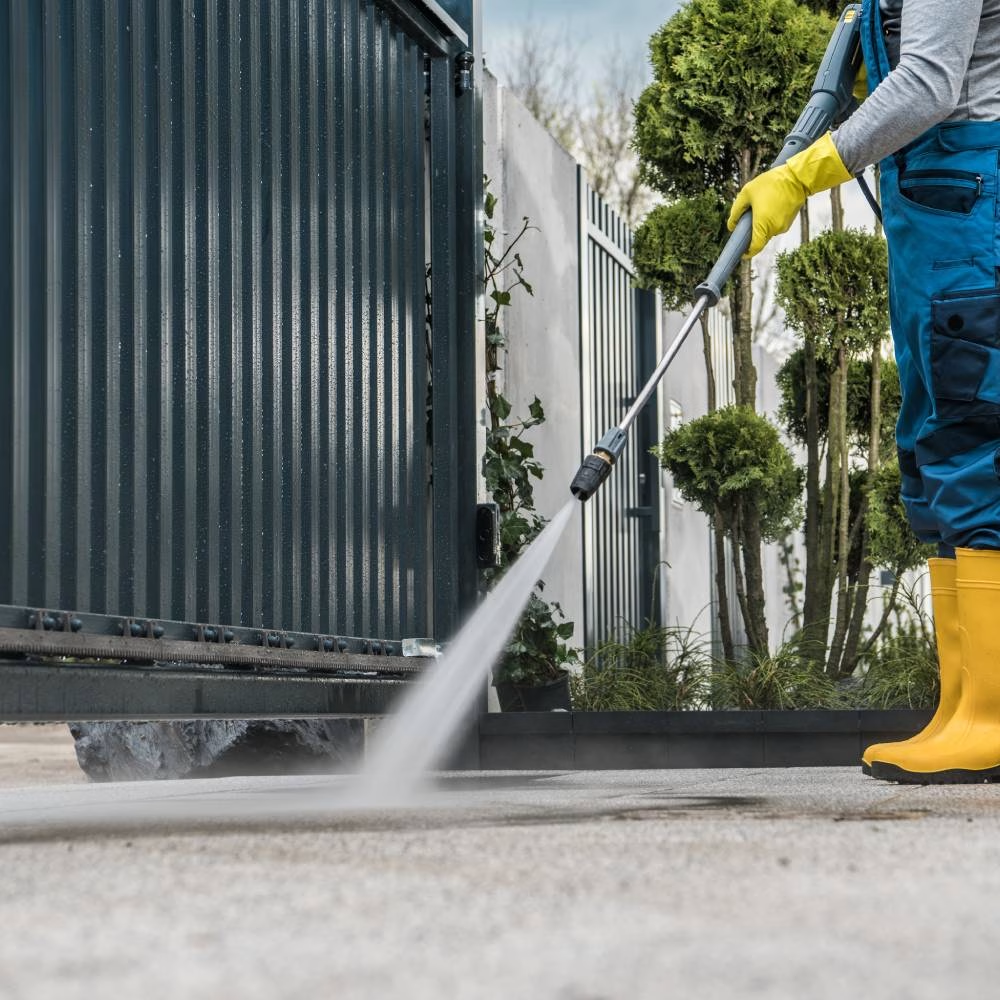
Residential and Commercial Paver Restoration
Softwash Knights serves both residential and commercial properties in North Tampa Florida. For homeowners, we restore driveways, patios, pool decks, walkways, and front entries. For commercial properties — including HOAs, apartment complexes, and business properties — we can handle larger paver surfaces and coordinate around your schedule.
Paver restoration pairs well with other exterior services we offer, including pressure washing, paver sealing, paver sanding and sealing, pool cage cleaning, and fence cleaning. Combining services can help your entire property look consistently maintained.
Local Paver Restoration Services
Softwash Knights provides paver restoration throughout the Tampa Bay area, including:
- Paver Restoration in Odessa Florida
- Paver Restoration in Lutz Florida
- Paver Restoration in Land O’ Lakes Florida
- Paver Restoration in Trinity Florida
- Paver Restoration in Wesley Chapel Florida
- Paver Restoration in Palm Harbor Florida
- Paver Restoration in Tarpon Springs Florida
- Paver Restoration in Holiday Florida
- Paver Restoration in Spring Hill Florida
- Paver Restoration in North Tampa Florida
Frequently Asked Questions About Paver Restoration
How do I know if my pavers need restoration or just cleaning?
If your pavers are simply dirty but the color still looks good and the joints are intact, cleaning may be sufficient. Restoration is appropriate when you notice fading, joint sand loss, weed growth, or the surface no longer repels water. A professional assessment can help you determine which service is right for your situation.
Can faded pavers really be restored, or do I need new pavers?
In most cases, faded pavers can be significantly improved with restoration. Color-enhancing sealers can deepen and refresh the existing color, especially if the pavers still have pigment remaining. If the pavers are completely washed out or structurally failing, restoration may not achieve the results you want — and we’ll tell you that upfront
How long does the restoration process take?
Most residential paver restoration projects take one to two days, depending on the size of the area and the condition of the pavers. The surface must be completely dry before sanding and sealing, and the sealer needs time to cure afterward. We’ll provide a timeline when we assess your project.
What's the difference between polymeric sand and regular sand?
Polymeric sand contains polymer binders that activate with water, creating a firm joint that resists washout, weeds, and insects. Regular sand stays loose and washes out more easily, especially during Florida’s heavy rains. For most permanent paver installations in Florida, polymeric sand is the better choice .
Can you restore pavers that have an old failing sealer on them?
Yes, but the old sealer needs to be stripped first. Applying new sealer over a peeling or failing layer will result in early failure. We assess the existing sealer condition during our evaluation and include stripping in the scope of work if needed.