
Paver Restoration in Odessa Florida
Odessa is not a typical suburban neighborhood, and its paver surfaces are not typical either. Properties sit on larger lots with long driveways, wide patios, and pool decks that face open sky for most of the day. That means pavers here take direct UV most of the year, and they also collect more rain runoff than a smaller, tree-shaded yard would. The combination shows up as faster color fade, thinner joint sand, and algae that works its way into the shaded edges first. Softwash Knights provides professional paver restoration in Odessa Florida, covering deep cleaning, joint re-sanding, and sealing in one full service. Beyond paver restoration, we also handle Fence Cleaning, Paver Sanding and Sealing, Paver Sealing, Pool Cage Cleaning, Pressure Washing, Roof Cleaning, Soft Washing, and Window Cleaning.
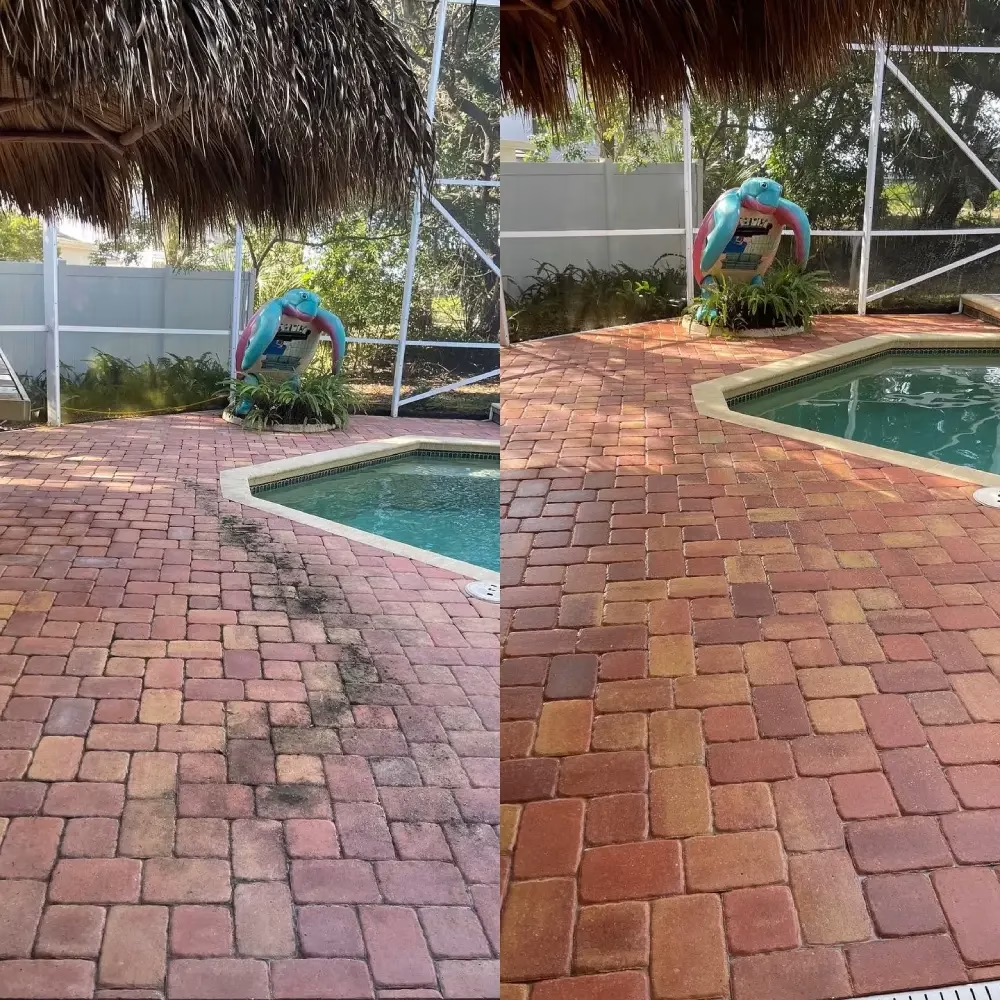
How Odessa Conditions Break Down Paver Surfaces
Odessa properties face a specific mix of pressures that other Tampa Bay neighborhoods do not share in the same way.
Wide-open sun exposure. Long driveways and patios sit out in the sun most of the day. That direct UV breaks down the pigments inside the pavers and dulls the surface faster than in shaded areas. Once the pigments break down, cleaning alone cannot bring the color back.
Heavy rainwater runoff. Odessa gets more than 60 inches of rain per year, and most of it lands in short, hard storms. That water sheet-flows across wide driveways and carries joint sand with it. Over a few seasons, joints drop below the paver surface and the pavers start to move.
Large-lot debris. Big properties collect more pollen, leaf litter, and pine needles than small lots do. That material breaks down on the paver surface and feeds the algae and mildew that grow there.
Wide thermal swings. Wide-open surfaces heat up faster in the day and cool down faster at night. That daily expansion and contraction puts more stress on the joint sand and, over time, causes the pavers to shift or pop at the edges.
Signs Odessa Pavers Are Past Due for Restoration
Restoration is not a calendar-based service. The surface itself tells you when it is time. Look for these signals.
-
Color has gone flat compared to earlier in the paver’s life
-
Joints sit visibly lower than the paver surface
-
Weeds are pushing through in several places
-
Water soaks in instead of beading up
-
Algae and mildew return within a few weeks of cleaning
-
Pavers rock slightly underfoot
-
The surface feels rough or gritty
-
Old sealer is peeling, flaking, or turning cloudy
When several of these signs appear at once, cleaning alone is not going to fix it.
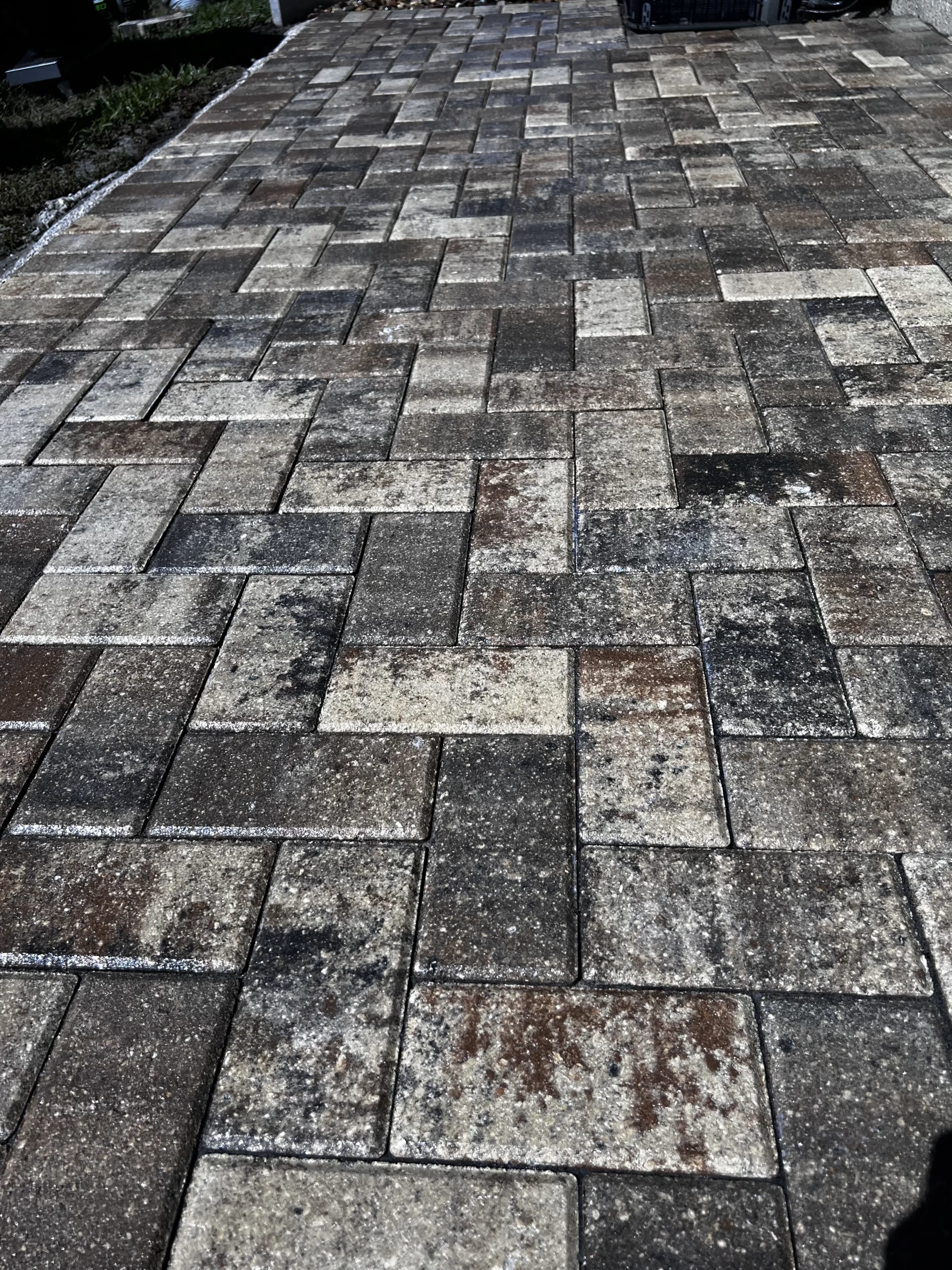
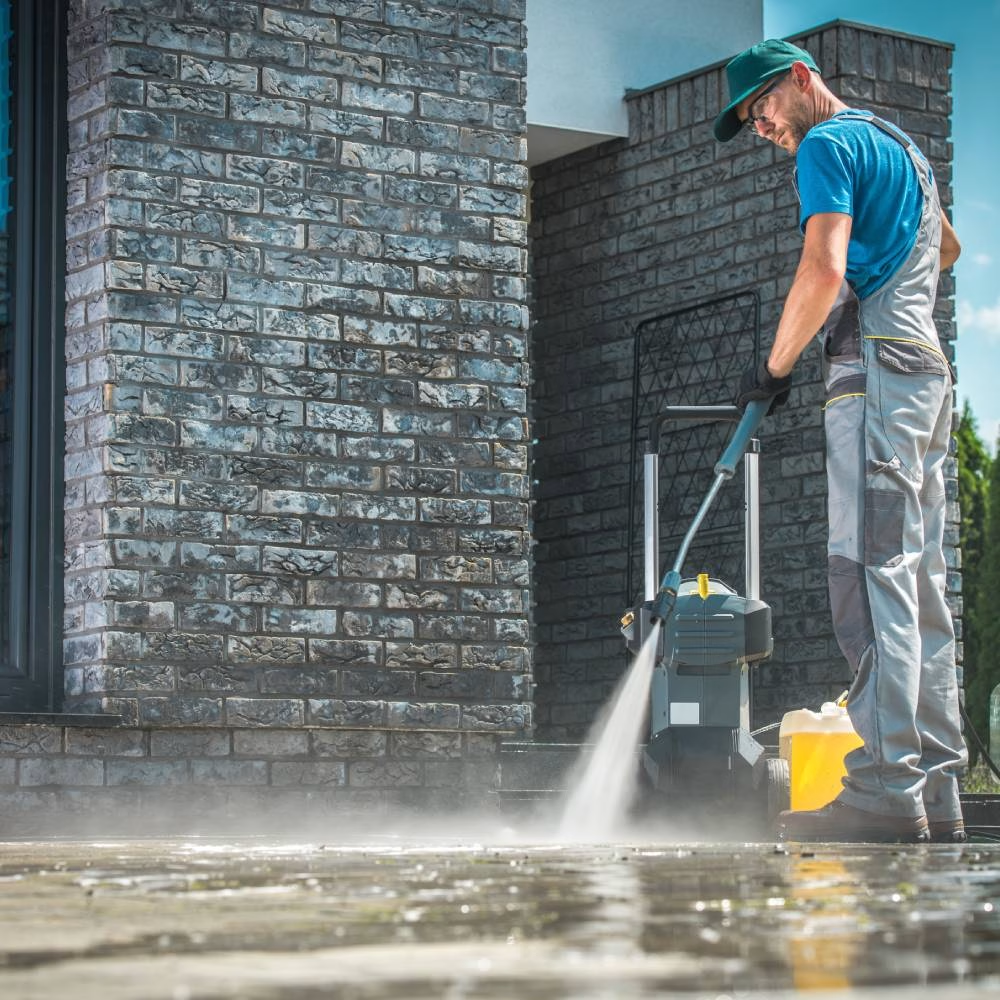
What Restoration Fixes and What It Cannot
Restoration solves a specific set of problems. It is not a cure-all for structural damage. Here is the honest breakdown.
Restoration solves:
-
Faded or dull color
-
Algae, mold, and mildew staining
-
Weeds growing in joints
-
Depleted or washed-out joint sand
-
Minor shifting or settling
-
Loss of water repellency
-
Surface staining from dirt, pollen, and irrigation minerals
Restoration does not solve:
-
Large areas of severely sunken or heaved pavers
-
Pavers that are loose across most of the surface
-
A structurally failed base
-
Standing water from improper pitch or drainage
-
Pavers cracked beyond practical repair
-
Deep, permanent staining that has penetrated the paver material
When pavers have structural problems, restoration improves appearance temporarily, but the underlying issue returns. We tell you upfront when that is the case.
The Three Stages of Paver Restoration
Every restoration job moves through the same three stages. Each stage prepares the surface for the next.
Stage One: Deep Cleaning
We strip away years of accumulated dirt, algae, mildew, and old failing sealer. The pressure stays controlled so the paver surface is not damaged, and the cleaning solutions do the heavy work. When old sealer is breaking down, we use specialty stripping products before the deep clean.
Stage Two: Joint Re-Sanding
Once the pavers are clean and dry, we refill the joints with fresh polymeric sand. Polymeric sand binds when activated with water and creates a semi-rigid joint that resists washout and blocks weeds. The sand goes in through multiple passes to reach full depth. Any residue on the paver faces is removed before activation so the surface does not develop a hazy finish.
Stage Three: Sealing
After the sand cures, we apply the protective sealer. Sealer locks in the joint sand, blocks stains, slows UV fading, and makes future cleaning easier.
Two main types of sealer exist.
Film-forming sealers create a protective layer on top of the surface. They offer strong protection and often a color-enhancing wet look.
Penetrating sealers absorb into the paver and protect from within. They keep the original look and feel while making the surface water-repellent.
The right choice depends on the paver material, age, condition, and the look you want. We walk through both options during the estimate.
How Long Paver Restoration Lasts in Odessa
A properly done restoration typically holds up two to four years before the sealer needs refreshing. In Odessa, longevity depends on:
-
Sun exposure. Wide-open driveways fade faster than shaded patios.
-
Traffic. Driveways with regular vehicle use wear faster than patios or walkways.
-
Drainage. Poor drainage keeps water against the surface and shortens sealer life.
-
Irrigation. Sprinkler overspray leaves mineral deposits and keeps the surface damp.
-
Sealer type. Penetrating sealers usually outlast film-forming acrylics.
-
Maintenance. Regular cleaning and quick stain removal extend sealer life.
Rather than resealing on a fixed schedule, watch for the signs that the sealer is wearing down. Water soaking in instead of beading up, dull color, and returning growth are all indicators it is time to reseal.
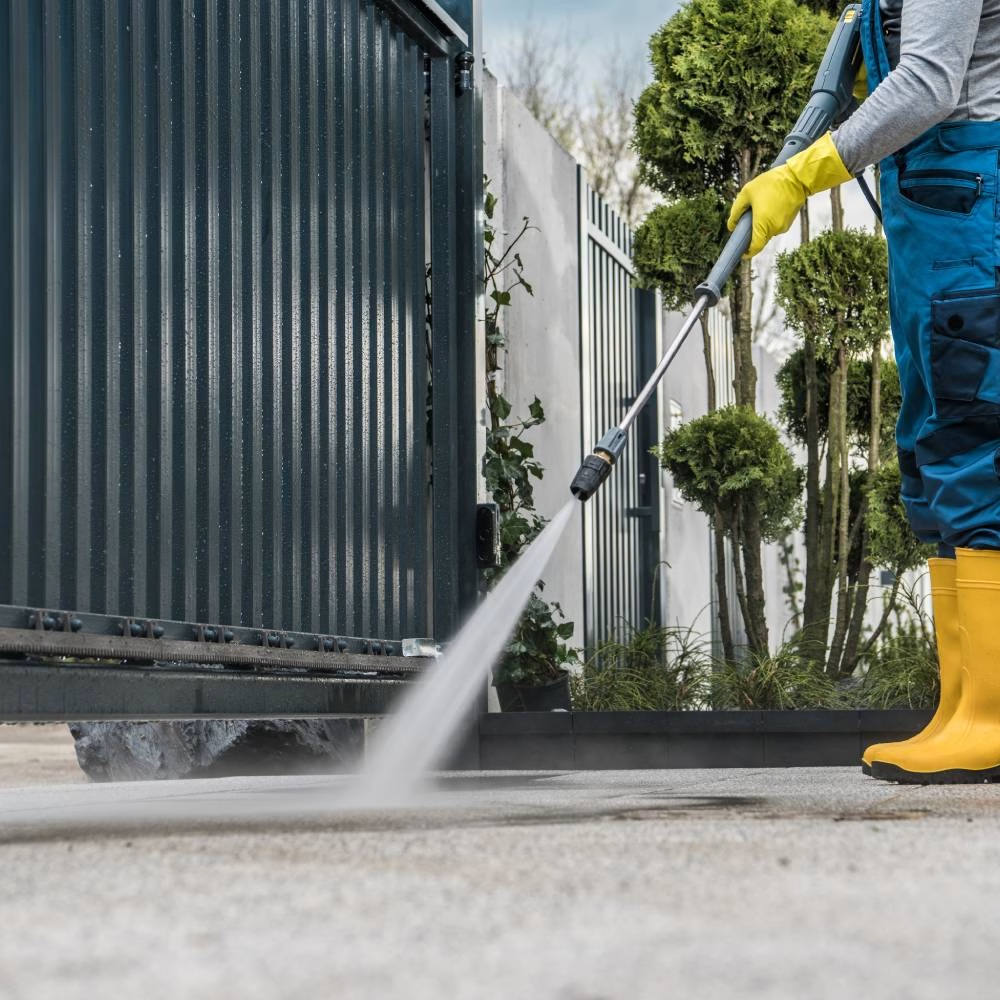
Paver Types We Restore in Odessa
Concrete pavers. The most common paver material in Florida. Concrete pavers respond well to restoration because the surface tolerates deep cleaning without damage. Color-enhancing sealers bring back depth that has faded over the years.
Brick pavers. Clay brick holds its color longer than concrete but still needs joint maintenance and periodic sealing. Joint stabilization matters especially on brick installations, which are more prone to shifting when the sand is depleted.
Travertine and natural stone. Natural stone requires gentler handling. Travertine is porous and can be damaged by aggressive pressure washing or harsh chemicals. We adjust our method based on the stone type and condition. For dedicated travertine work, see our Travertine Sealing page.
Residential and Commercial Paver Restoration
Softwash Knights serves both residential and commercial properties in Odessa Florida. For homeowners, we restore driveways, patios, pool decks, walkways, and front entries. For commercial properties — including HOAs, apartment complexes, and business properties — we can handle larger paver surfaces and coordinate around your schedule.
Paver restoration pairs well with other exterior services we offer, including pressure washing, paver sealing, paver sanding and sealing, pool cage cleaning, and fence cleaning. Combining services can help your entire property look consistently maintained.
Local Paver Restoration Services
Softwash Knights provides paver restoration throughout the Tampa Bay area, including:
- Paver Restoration in Odessa Florida
- Paver Restoration in Lutz Florida
- Paver Restoration in Land O’ Lakes Florida
- Paver Restoration in Trinity Florida
- Paver Restoration in Wesley Chapel Florida
- Paver Restoration in Palm Harbor Florida
- Paver Restoration in Tarpon Springs Florida
- Paver Restoration in Holiday Florida
- Paver Restoration in Spring Hill Florida
- Paver Restoration in North Tampa Florida
Frequently Asked Questions About Paver Restoration
How do I know if my pavers need restoration or just cleaning?
If your pavers are simply dirty but the color still looks good and the joints are intact, cleaning may be sufficient. Restoration is appropriate when you notice fading, joint sand loss, weed growth, or the surface no longer repels water. A professional assessment can help you determine which service is right for your situation.
Can faded pavers really be restored, or do I need new pavers?
In most cases, faded pavers can be significantly improved with restoration. Color-enhancing sealers can deepen and refresh the existing color, especially if the pavers still have pigment remaining. If the pavers are completely washed out or structurally failing, restoration may not achieve the results you want — and we’ll tell you that upfront
How long does the restoration process take?
Most residential paver restoration projects take one to two days, depending on the size of the area and the condition of the pavers. The surface must be completely dry before sanding and sealing, and the sealer needs time to cure afterward. We’ll provide a timeline when we assess your project.
What's the difference between polymeric sand and regular sand?
Polymeric sand contains polymer binders that activate with water, creating a firm joint that resists washout, weeds, and insects. Regular sand stays loose and washes out more easily, especially during Florida’s heavy rains. For most permanent paver installations in Florida, polymeric sand is the better choice .
Can you restore pavers that have an old failing sealer on them?
Yes, but the old sealer needs to be stripped first. Applying new sealer over a peeling or failing layer will result in early failure. We assess the existing sealer condition during our evaluation and include stripping in the scope of work if needed.