
Paver Restoration in Spring Hill Florida
Reviving Worn Pavers for Spring Hill Properties
Spring Hill sits in one of Florida’s toughest climate zones for hardscaping. The combination of relentless sun, seasonal downpours, and year-round dampness means paver surfaces age quickly here. A driveway or patio that looked brand new after installation can show fading, staining, and joint failure in only a handful of seasons.
Softwash Knights delivers full-scale paver renewal for Spring Hill residents and business owners. Our approach goes far beyond surface cleaning — we rebuild the entire paver system, from deep extraction of embedded grime to fresh joint stabilization and long-term protection. Whether you need paver restoration for a single patio or an entire commercial lot, we build a plan around your surface type and condition. Many clients also pair this work with pressure washing for concrete areas and fence cleaning to refresh the full exterior.
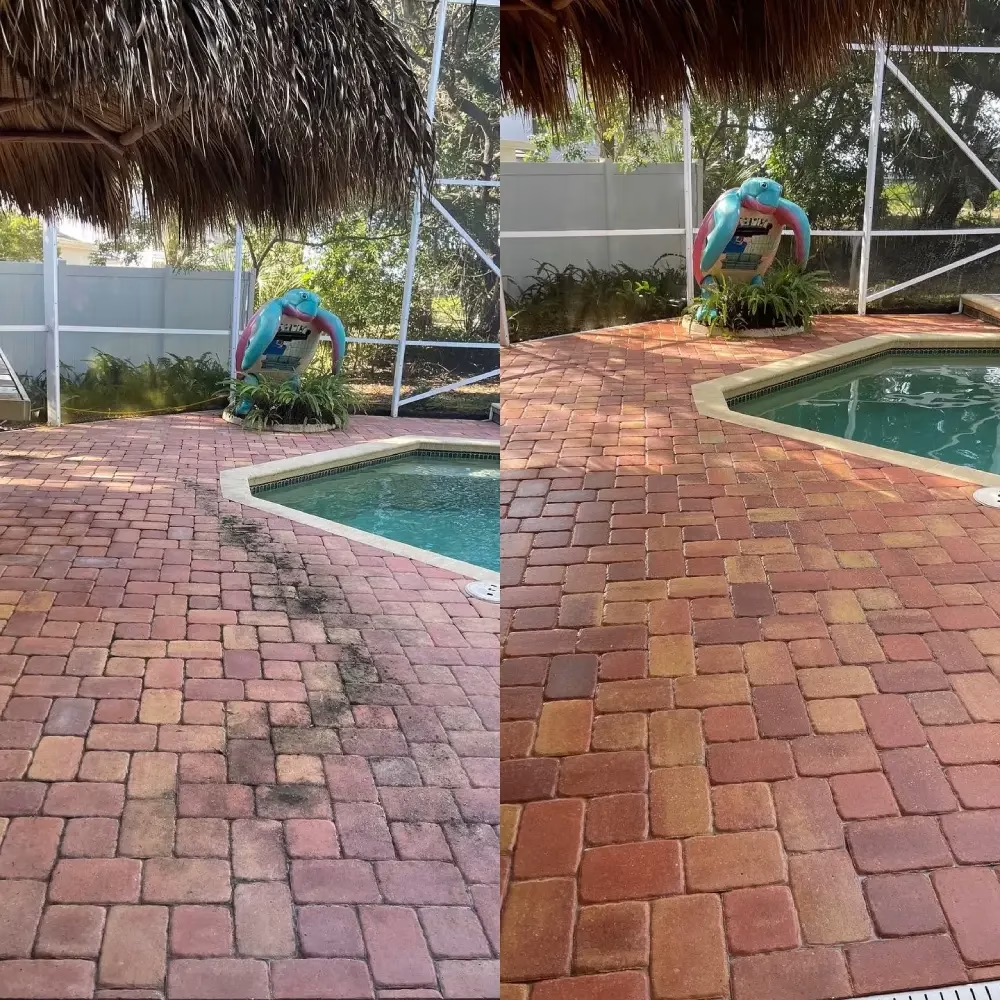
Realistic Expectations: What Restoration Can and Cannot Fix
We prefer to be straightforward about outcomes. Restoration solves many problems, but not all of them.
Restoration usually resolves:
-
Faded or washed-out color, particularly with color-enhancing sealers
-
Green and black staining from algae, mold, and mildew
-
Weeds emerging from joints
-
Joint sand that has eroded or thinned
-
Small amounts of settling or shifting
-
Surfaces that no longer shed water
-
Staining from dirt, pollen, and irrigation minerals
Restoration may not be appropriate when:
-
Large sections of pavers have sunk deeply or risen unevenly
-
Most pavers across the surface are loose
-
The base layer has structurally failed
-
Water consistently pools due to grading or drainage issues
-
Pavers are cracked beyond reasonable repair
-
Deep, permanent stains have penetrated the material
When structural problems exist, restoration can offer short-term cosmetic gains, but the root issue will return. In those cases, we’ll clearly explain what restoration can and cannot achieve. If surrounding concrete is also worn, our pressure washing crew can evaluate those surfaces during the same visit.
Expected Lifespan of Restored Pavers
In Spring Hill’s climate, a properly completed paver restoration generally holds for two to four years before re-sealing is required. Key factors include:
-
Sun exposure: Full-sun areas degrade faster than shaded ones
-
Traffic load: Driveways endure more wear than patios or paths
-
Drainage quality: Poor drainage traps moisture and speeds deterioration
-
Irrigation overspray: Sprinklers leave mineral deposits and keep surfaces damp
-
Sealer selection: Penetrating products typically outlast film-forming acrylics
-
Routine care: Regular cleaning and fast stain removal extend sealer life
Rather than resealing on a fixed timeline, watch for indicators: water absorbing instead of beading, colors appearing flat, and increased algae presence. These signals mean it’s time to reseal. Homeowners who stay proactive often bundle paver sealing with window cleaning and fence cleaning for one efficient service visit.
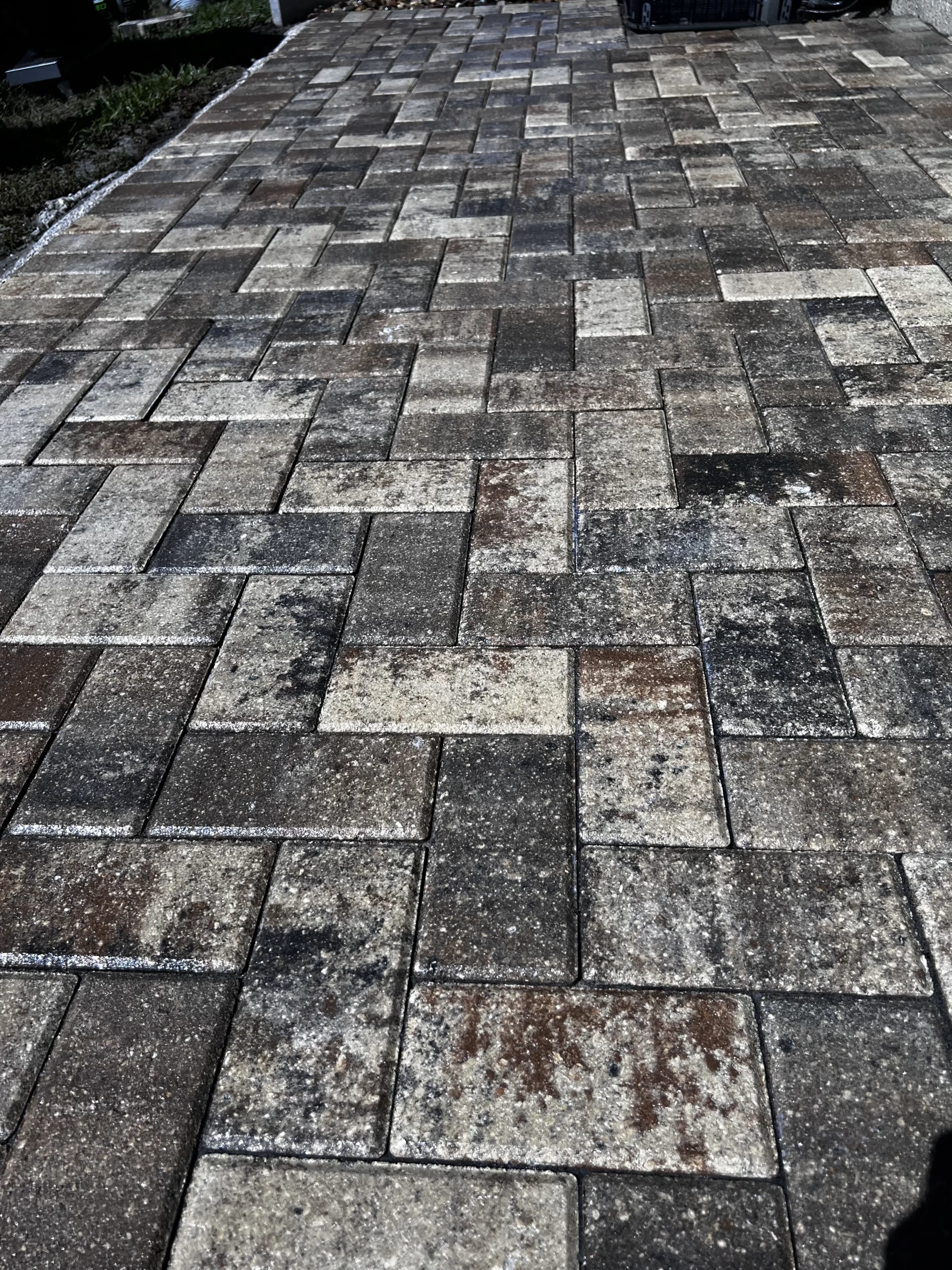
Paver Materials We Restore in Spring Hill
Concrete Pavers
The dominant choice across Florida, concrete pavers respond well to restoration. Our cleaning removes organic growth and surface stains, new joint sand stabilizes the system, and sealer restores color and protection. This is the surface type most commonly handled through our paver restoration and paver sanding and sealing services.
Clay Brick Pavers
Brick pavers made from clay retain color better than concrete over time, but they still require cleaning and sealing. Joint sand upkeep is especially critical for brick installations.
Travertine and Natural Stone
Natural stone needs gentler treatment. Travertine’s porous surface can be damaged by aggressive pressure or harsh chemicals. We adjust our methods to suit the specific stone type and condition, and we typically recommend paver sealing as the final protective layer.
Why Spring Hill Pavers Break Down So Quickly
Understanding the forces working against your pavers helps explain why a simple rinse won’t solve the problem.
Pigment Breakdown From Intense Sunlight
Most concrete pavers rely on iron oxide for their color. Spring Hill’s high UV levels attack those pigments at a chemical level, permanently altering them. The fading you see isn’t a layer of dirt — it’s the color structure itself breaking apart. Once that happens, only a restorative treatment paired with paver sealing can bring back a rich appearance.
Joint Sand Loss From Heavy Rainfall
Joint sand performs a structural job — it holds pavers tightly together, distributes loads evenly, and seals out weeds and pests. With Spring Hill receiving more than sixty inches of rain in a typical year, often in short, intense bursts, that sand steadily disappears. Empty joints mean movement, and movement means damage. This is where paver sanding and sealing becomes essential.
Organic Growth Fueled by Humidity
Algae, mold, and mildew flourish in Spring Hill’s moist air, particularly on shaded driveways and north-facing patios. These growths don’t just affect appearance — they create slick walking conditions and release acids that gradually weaken the paver surface. Similar growth appears on roofs and siding throughout the area, which is why roof cleaning and soft washing are frequent additions to paver projects.
Expansion and Contraction Cycles
Daily temperature shifts cause pavers to expand in afternoon heat and contract overnight. This repeated motion stresses joints and can lead to lippage, shifting, and cracking when the joint material has deteriorated. Pool decks face additional stress from splash-out, making pool cage cleaning a practical companion service for deck restoration.
What Our Paver Renewal Process Includes
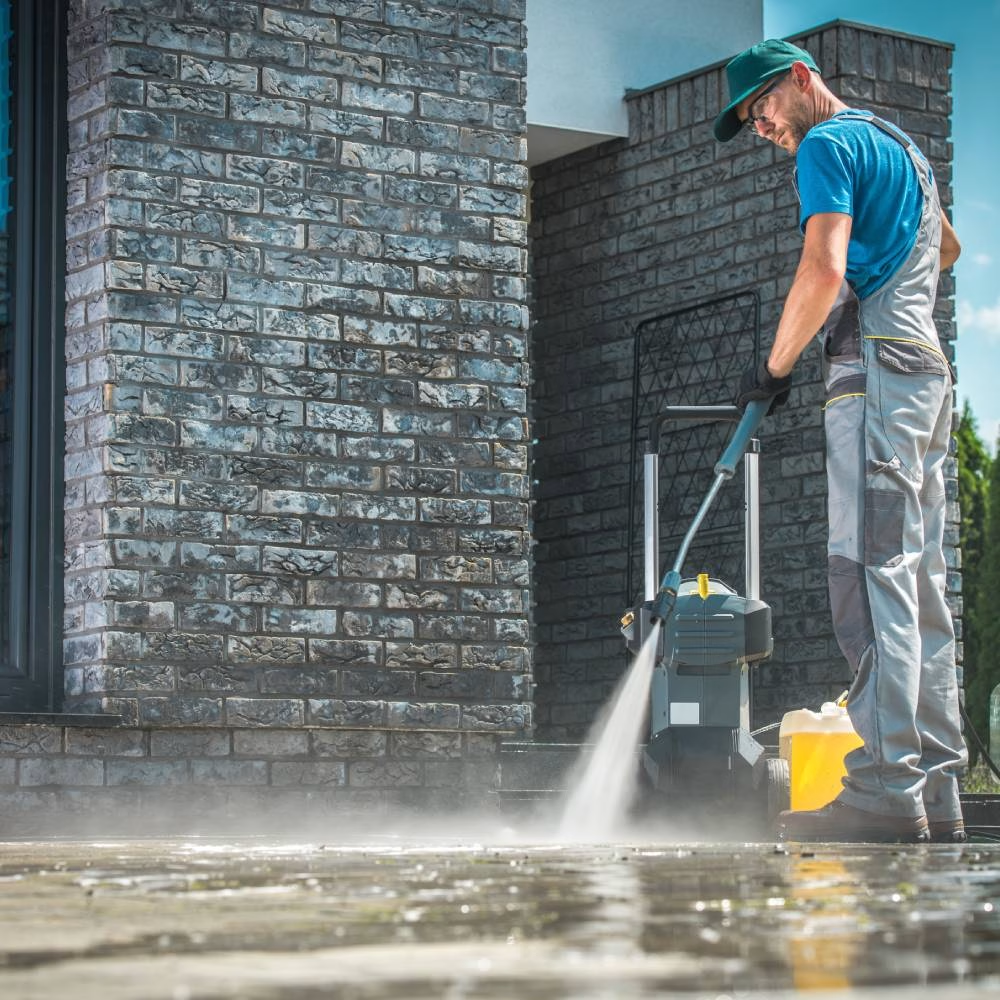
Some homeowners assume paver restoration is simply a stronger version of pressure washing. That’s not accurate. Pressure washing lifts surface debris, but it leaves color loss, joint depletion, and lost protection untouched. Our renewal process handles all three.
Phase One: Deep Extraction and Cleaning
We start by removing everything built up over the years — embedded soil, biological growth, and any remaining old sealer. Our crew applies carefully regulated pressure and professional cleaning agents that break down buildup without scarring the paver face or pushing water beneath the surface.
Surfaces with stubborn staining or failed coatings get extra treatment with specialized stripping solutions and additional passes. On properties where grime has spread to other surfaces, adding pressure washing for concrete or soft washing for the home exterior creates a uniform result.
Phase Two: Joint Sand Replacement
With the surface clean and fully dry, we refill every joint using fresh polymeric sand. This product differs from ordinary sand because it contains binders that activate with water, forming a semi-rigid joint that resists erosion, weeds, and insects.
Doing this correctly requires repetition. We sweep sand across the surface multiple times until joints are completely filled. Then we meticulously remove all excess material from the paver faces, since leftover sand creates a cloudy film that’s extremely difficult to correct later. This phase forms the foundation of our paver sanding and sealing service.
Phase Three: Sealer Application
After the new sand cures, we apply a professional-grade sealer. A quality sealer locks joint sand in place, blocks stains, slows UV damage, simplifies future maintenance, and can enrich the pavers’ color. You can explore this step further on our paver sealing page.
We work with two sealer categories:
Topical film-forming sealers create a protective coating on the surface. They deliver strong protection and often produce a deepened, color-rich finish. They may slightly change surface texture.
Penetrating sealers absorb into the paver material and protect from within. They preserve the original appearance and feel while adding water repellency.
Selecting the right product depends on your paver material, age, condition, and preferred finish.
Residential and Commercial Paver Restoration in Spring Hill
Softwash Knights serves both homeowners and commercial clients throughout Spring Hill. For residential properties, we restore driveways, patios, pool decks, walkways, and front entries. For commercial properties — HOAs, apartment communities, and business sites — we handle large paver areas and coordinate around your operating hours.
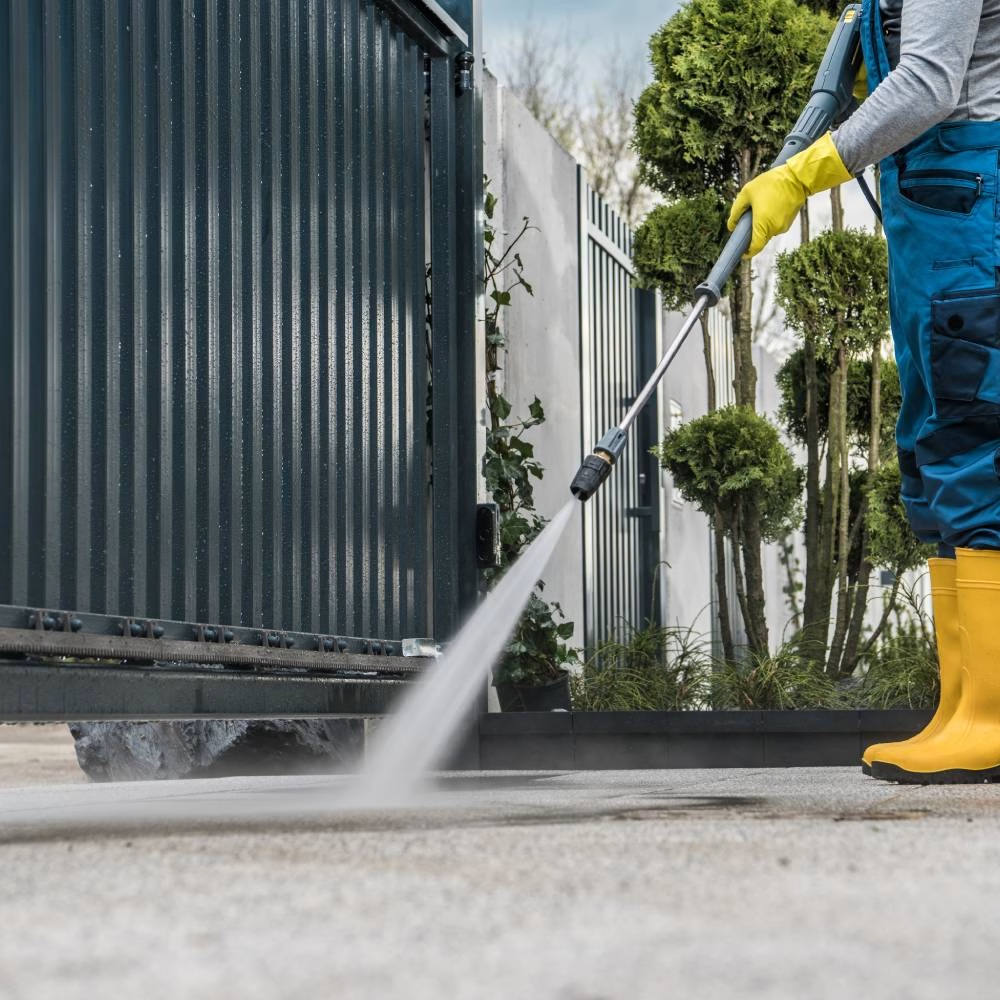
Paver restoration complements our other exterior services, including pressure washing, paver sealing, paver sanding and sealing, pool cage cleaning, and fence cleaning. Combining services keeps your entire property looking consistently maintained. Many customers also add roof cleaning, soft washing, and window cleaning to complete the exterior refresh in a single visit.
Local Paver Restoration Services
Softwash Knights provides paver restoration throughout the Tampa Bay area, including:
- Paver Restoration in Odessa Florida
- Paver Restoration in Lutz Florida
- Paver Restoration in Land O’ Lakes Florida
- Paver Restoration in Trinity Florida
- Paver Restoration in Wesley Chapel Florida
- Paver Restoration in Palm Harbor Florida
- Paver Restoration in Tarpon Springs Florida
- Paver Restoration in Holiday Florida
- Paver Restoration in Spring Hill Florida
- Paver Restoration in North Tampa Florida
Frequently Asked Questions About Paver Restoration
How do I know if my pavers need restoration or just cleaning?
If your pavers are simply dirty but the color still looks good and the joints are intact, cleaning may be sufficient. Restoration is appropriate when you notice fading, joint sand loss, weed growth, or the surface no longer repels water. A professional assessment can help you determine which service is right for your situation.
Can faded pavers really be restored, or do I need new pavers?
In most cases, faded pavers can be significantly improved with restoration. Color-enhancing sealers can deepen and refresh the existing color, especially if the pavers still have pigment remaining. If the pavers are completely washed out or structurally failing, restoration may not achieve the results you want — and we’ll tell you that upfront
How long does the restoration process take?
Most residential paver restoration projects take one to two days, depending on the size of the area and the condition of the pavers. The surface must be completely dry before sanding and sealing, and the sealer needs time to cure afterward. We’ll provide a timeline when we assess your project.
What's the difference between polymeric sand and regular sand?
Polymeric sand contains polymer binders that activate with water, creating a firm joint that resists washout, weeds, and insects. Regular sand stays loose and washes out more easily, especially during Florida’s heavy rains. For most permanent paver installations in Florida, polymeric sand is the better choice .
Can you restore pavers that have an old failing sealer on them?
Yes, but the old sealer needs to be stripped first. Applying new sealer over a peeling or failing layer will result in early failure. We assess the existing sealer condition during our evaluation and include stripping in the scope of work if needed.